The Dopamine Trap: How “Educational” YouTube is Stealthily Short-Circuiting Your Kid’s Grit
Share
Key Takeaways
The Illusion of Mastery: Passive “input” (watching) mimics the feeling of learning without building the neural pathways of “output” (doing).
The Atrophy of Effort: High-speed digital rewards train the brain to abandon difficult tasks, causing the Prefrontal Cortex to “buff” rather than “build.”
The Generative Reset: Shifting from a “Receiver” to a “Creator” mindset fixes the dopamine loop and fosters “Creative Grit.”
The Hook: The “Smart” Zombie in Your Living Room
It’s the ultimate parenting “trap.” Your child is sitting perfectly still, eyes glued to a screen, but you don’t feel that “iPad-parent” guilt because they are watching educational content. They’re learning about the Permian Extinction or how to code a Minecraft mod. They look brilliant.
But then, the tablet goes away, and the catastrophic meltdown begins. Or worse, you ask them to do something mildly challenging — like tie their shoes or finish a drawing — and they quit immediately.
How can a kid who knows the metabolic rate of a T-Rex have zero “grit” when it comes to real-life effort? It’s because they’ve fallen into an insidious dopamine loop. They aren’t actually learning; they are being entertained by the sensation of learning. And it’s re-wiring their brain to find reality… well, boring.
The Science (Simplified): The “Popcorn Brain” Epidemic
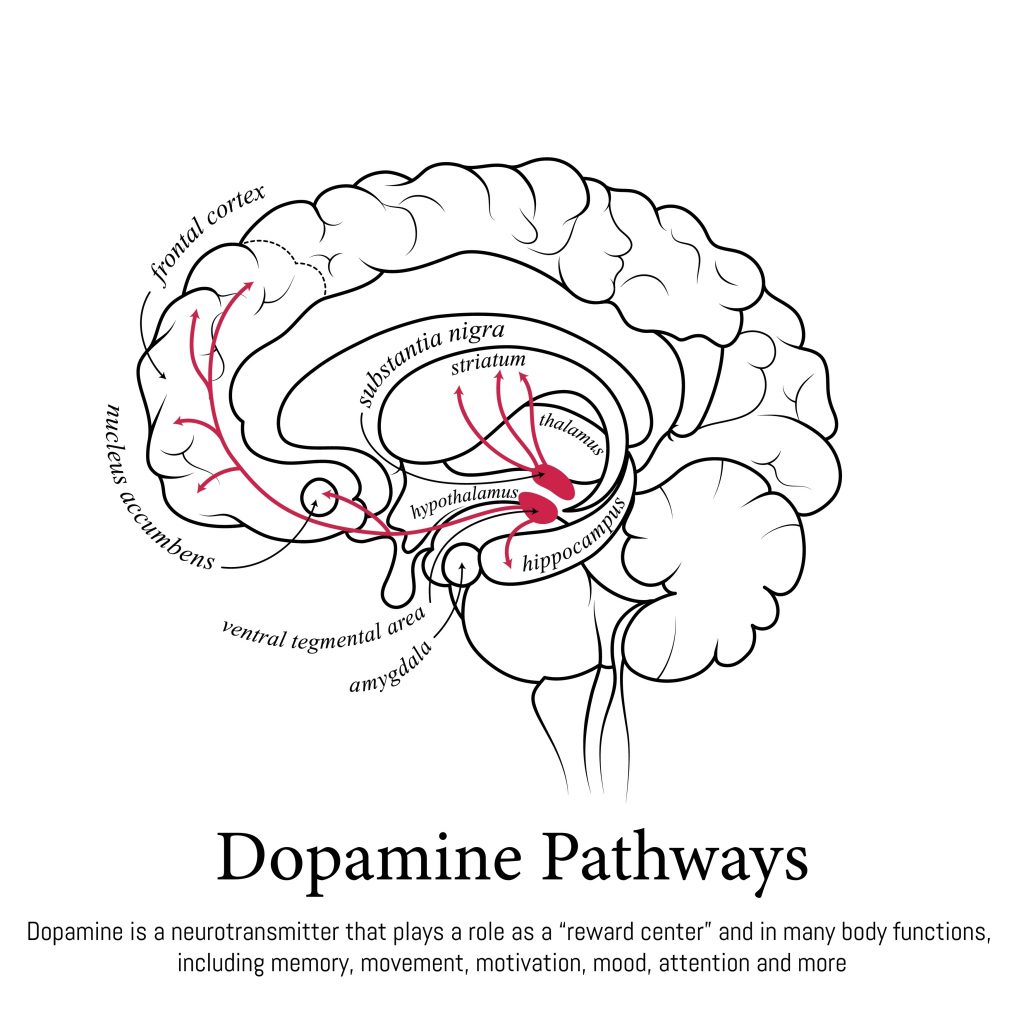
Let’s talk neurobiology over coffee. Your child’s brain has a “Reward Circuit.” In the wild (or on a playground), dopamine is earned through effort—climbing the monkey bars, solving a puzzle, or figuring out a social cue.
But “fast-paced” educational videos offer Electric Dopamine. The camera cuts every 4 seconds, the music swells, and complex info is delivered in “pre-chewed” chunks.
The Prediction Error: When your child moves from a high-speed video to a “slow” real-world task, their brain experiences a devastating drop in dopamine. This is why transitions trigger nuclear meltdowns.
Executive Atrophy: A landmark study in Pediatrics found that just 9 minutes of fast-paced content immediately impaired a child’s executive function. Their “grit” didn’t just disappear; it was temporarily paralyzed.
If your child stays a “passenger” in their own mind, they become a consumer for life. We want them to be the ones creating the worlds. When you break the dopamine trap, you move them from a “YouTube Zombie” to a creative powerhouse.
For families dealing with The 20-Minute Monologue, the dopamine trap is a silent enemy. Kids with ADHD or ASD often have a “lower” baseline of dopamine, making the “Electric” hits of YouTube even more addictive. By shifting to active storytelling, we bridge the gap between “scripted” speech and generative, original thoughts.
Actionable Strategy: The “Creation-to-Consumption” Ratio
You don’t have to go full “trad-parent” and throw the iPad into a lake. You just need to fix the ratio.
The 1:1 Rule: For every 15 minutes of “Passive Watching,” your child needs 15 minutes of “Active Generating.”
If they get stuck in the “Zombie Stare,” use the “Cliffhanger Pivot”:
Pause the video. 2. Ask a “Chaos” Question: “The main character just found a secret door—what’s behind it? A dragon or a giant taco?”
The 7-Second Rule: Wait. Don’t prompt. Let their brain “buffer” as it switches from Receiving mode to Creating mode. This builds the “mental callus” we call grit.
People Also Ask (FAQ)
Q: Is “educational” screen time better than “mindless” screen time? A: Not necessarily. If the pacing is too fast, the brain is still in “consumption” mode. The content might be better, but the cognitive habit—expecting a reward for zero effort—remains the same.
Q: How do I handle the “Screen Hangover” tantrums? A: That “hangover” is a dopamine crash. Instead of arguing, move immediately into a high-sensory activity (like a 20-minute connection session) to help the brain stabilize.
Q: Can a child “recover” their attention span? A: Absolutely! The brain is remarkably “plastic.” By introducing active storytelling and “boredom” back into the diet, the Prefrontal Cortex can “re-thickened” its ability to focus and persist.







Leave a comment